Dental crowns restore the shape, structure, and function of your teeth. They’re custom-made to fit over your existing tooth and are permanently cemented into place. Dentists recommend crowns to:
- Prevent cracked or weak teeth from breaking
- Restore a worn-down tooth or a tooth with a large cavity
- Cover and support a tooth following a root canal
- Hold a dental bridge in place
- Cover severely discoloured or misshapen teeth
- Cap a dental implant to improve its function
The goal of a crown is to preserve your natural bite and prevent further damage. Crowns are both functional and cosmetic.
Crowns can be made from a variety of different materials. All of the materials offer basic function, but some are better than others. Before choosing the type of crown that’s right for you, it’s essential to understand the pros and cons of each material, allowing you and your dentist to make the best choice for your specific circumstances and long-term oral health.
Porcelain
Porcelain is commonly used for dental crowns. They are either made entirely of porcelain or from a ceramic or metal base covered by porcelain. Porcelain is popular because it closely mimics your natural teeth’s colour and translucency.
The benefits of porcelain crowns include their excellent aesthetic appeal and biocompatibility, making them a safe choice for most people. However, they have a higher risk of chipping or cracking, especially under high pressure or on back molars.
They’re also more expensive than a few other options, although porcelain over metal is usually cheaper than all-ceramic versions. They’re one of the best options when a crown is needed on visible front teeth because they offer the most natural look and seamlessly blend with your smile.
Ceramic Crowns
Ceramic is the most popular material for crowns. They resemble porcelain in appearance and can be colour-matched to your surrounding teeth, making them appear fairly natural. Dental crowns made from this material feature no metal components, making them suitable for individuals with metal allergies.
Ceramic crowns are slightly less durable than other options and can wear down the surrounding teeth if they aren’t appropriately polished during installation. Ceramic crowns also tend to be on the pricey side, but are a great option for visible front or side teeth, especially when someone has a metal allergy.
Zirconia Crowns
Zirconia crowns are a specific type of ceramic crown. They’re a highly durable option that’s resistant to cracking and chipping.
Like all ceramic crowns, it’s easy to colour match and works well for repairing visible teeth. They do look slightly less natural than porcelain crowns, but they’re much stronger and have a cost comparable to porcelain and ceramic.
Metal Crowns
Metal crowns are a cost-effective, durable choice that works well for back teeth. They’re made from gold, platinum, nickel, or chromium. With metal crowns, less of your tooth structure needs to be removed to prepare the tooth for the crown.
They’re obviously made of metal, so most people choose this type of crown when the damaged tooth is far enough back in the mouth that it isn’t visible when smiling. It’s also important that the person receiving this type of crown not have any metal allergies.
How Do You Choose the Right Crown?
There are several factors to consider when selecting the right crown material for you. For instance:
- Location of the tooth and how visible it is when you smile
- Budget and insurance coverage, including out-of-pocket costs
- Health concerns like allergies or sensitivities to certain metals or materials
- Durability and daily wear, especially for teeth exposed to heavy chewing and/or grinding
Your dentist will consider several things when recommending a type of crown, including:
- Function
- Appearance
- Durability
- General patient preference
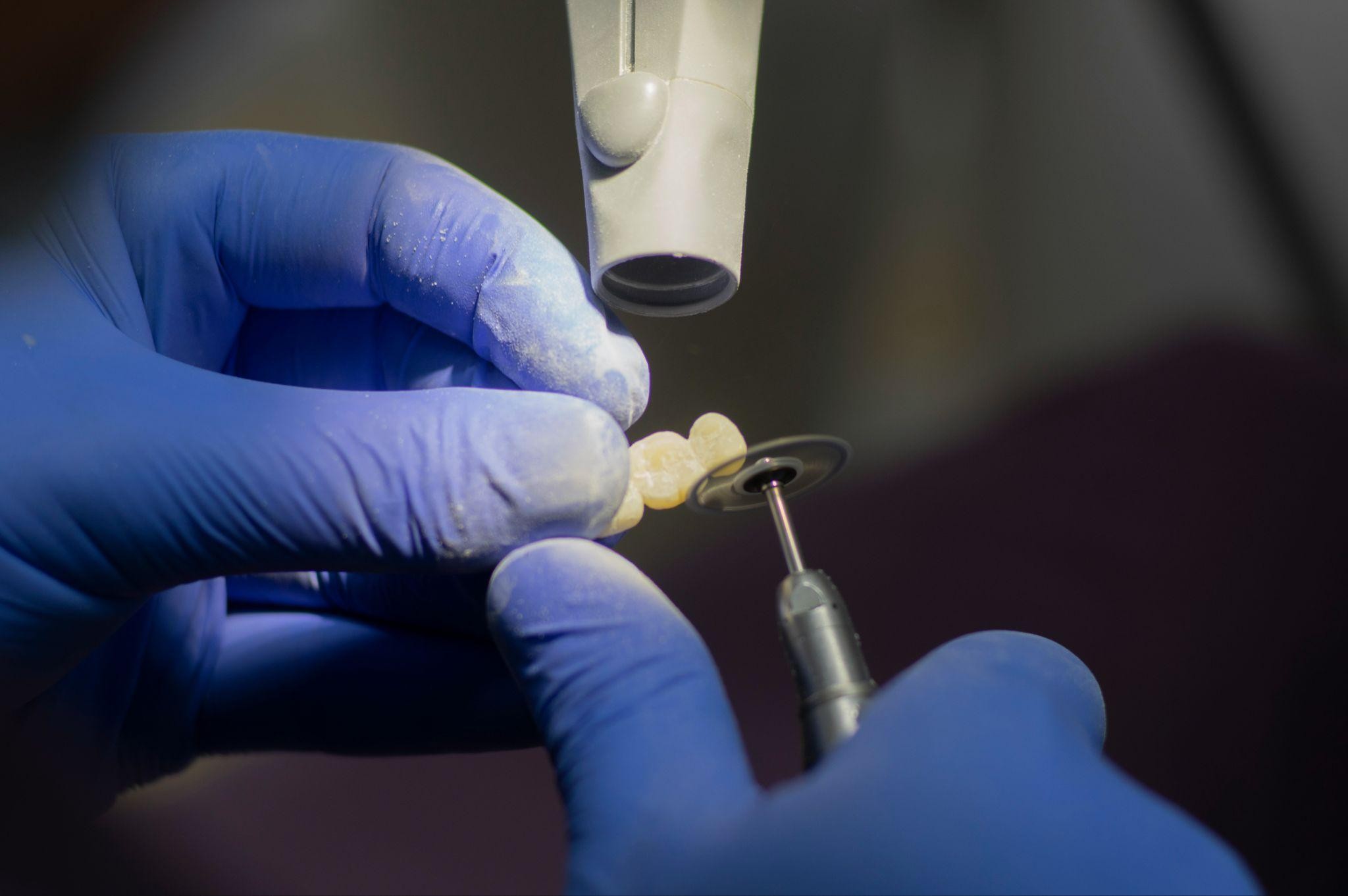
Getting a crown to repair a tooth is a big commitment. It’s understandable why you might have questions or be unsure about how to proceed. When you work with us, you enjoy the convenience of our in-house lab, allowing us to make your dental crown on-site. If you’d like to discuss your options for a crown or have concerns about your dental health, give us a call.