Your teeth can throw you for a loop. Everything feels unusual if you have problems with your teeth, especially if you are missing some. Dentures can help fix that, but there’s a lot to know.
Dentures aren’t just cosmetic. They create function and prevent secondary dental problems. If you’re considering dentures, you’ll likely choose between two types: complete dentures and partial dentures.
Here’s what’s what, so you can figure out what’s right for you.
Full Dentures
Complete dentures replace all the teeth on your top or bottom jaw. If you’ve lost all your teeth on one side, you need this. They rest directly on your gums and cover the entire area where your teeth used to be. Sometimes you’ll use adhesive, but good-fitting dentures often stay without it.
Partial Dentures
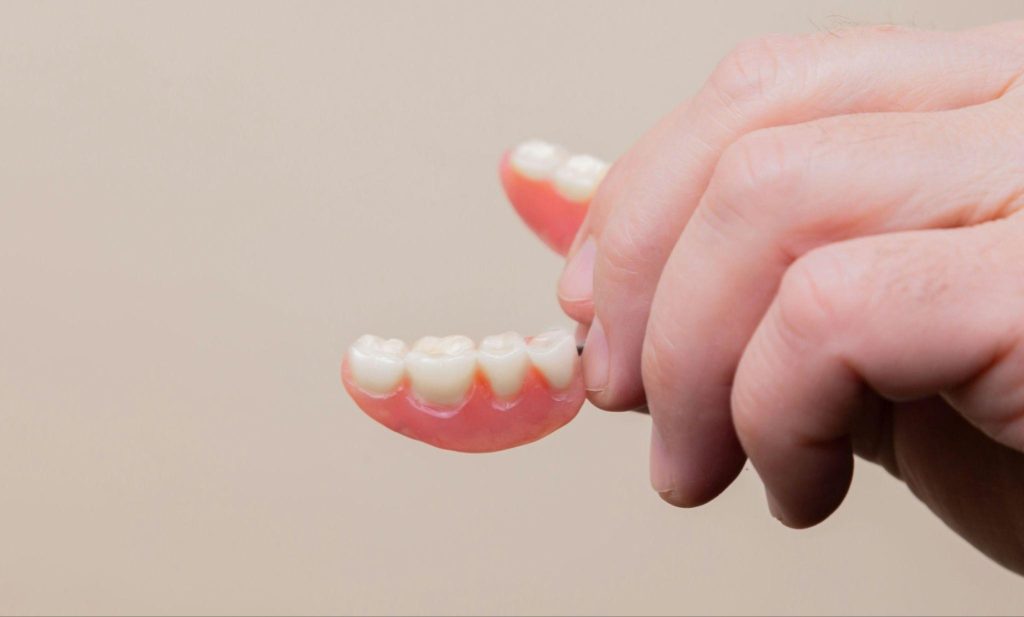
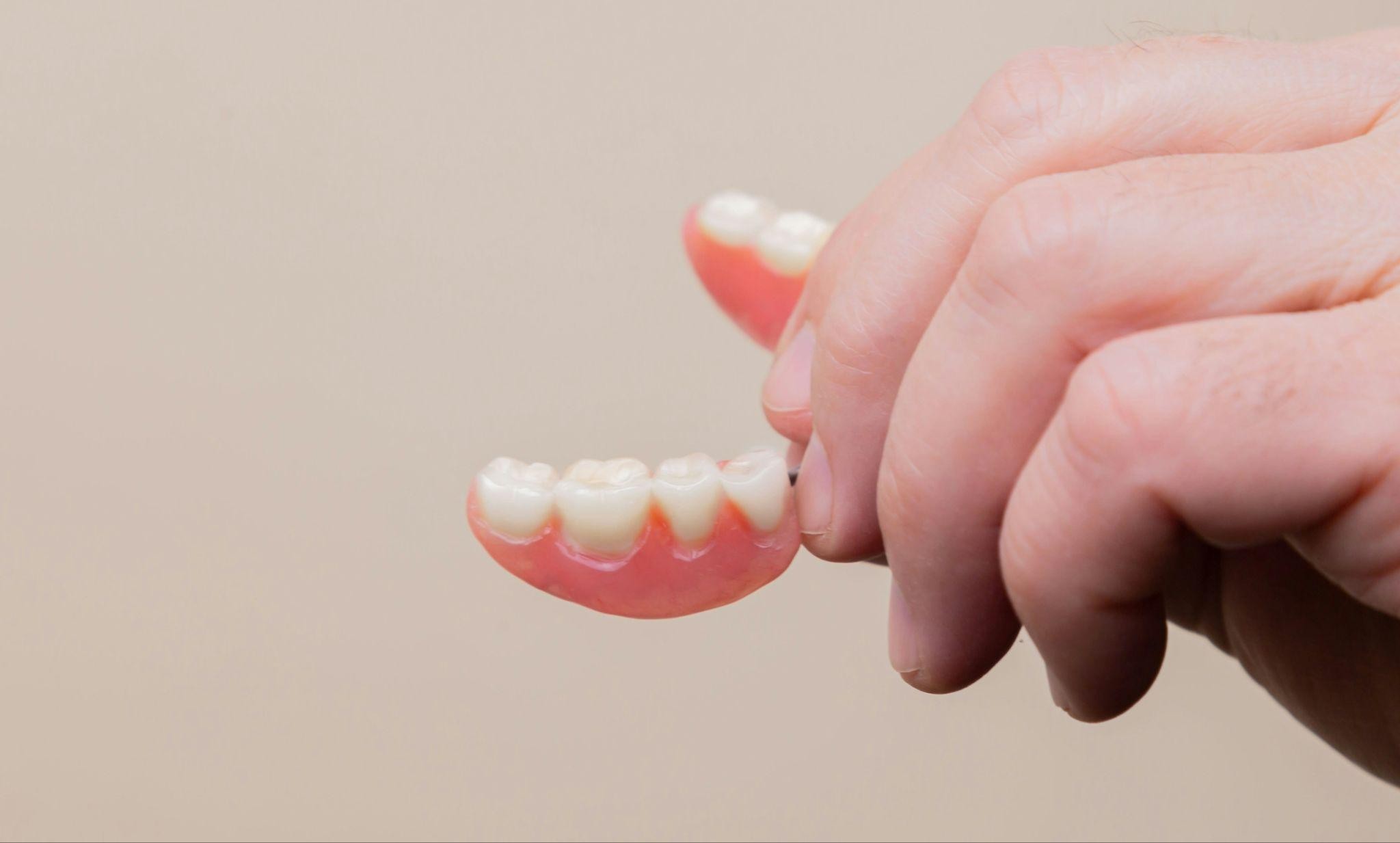
Partial dentures are used when you still have some natural teeth remaining. They fill in the empty spots and clip onto your natural teeth with metal hooks or attachments. Their job is to stop the rest of your teeth from drifting and keep your bite balanced.
We offer both full and partial denture manufacturing in our in-house lab, so getting your dentures is easier than ever.
Pros and Cons: Full Dentures
The pros of full dentures include:
- Replace an entire set of missing teeth at once.
- Usually less expensive than replacing each tooth individually.
- Look natural and help you chew and speak more easily.
The cons of full dentures include:
- It can feel bulky or weird at first.
- It might irritate your gums because they rest on them.
- Your jawbone can shrink over time, making dentures fit poorly later on.
Pros and Cons: Partial Dentures
The pros of partial dentures include:
- Hold onto your remaining teeth to keep everything in place.
- Usually, it is more comfortable because some natural teeth are still there.
- Easy to take out and clean.
The cons of partial dentures include:
- Metal clasps can be noticeable when you smile.
- Healthy teeth are needed to attach to — if those aren’t strong, partials might not work.
- Might not feel as stable as full dentures.
Which One Do You Need?
Full dentures are the way to go if you’ve lost all your teeth on one jaw. If you still have some solid teeth, partial dentures can fill in the gaps and keep your smile steady.
Your dentist will help you decide based on your mouth and lifestyle.
Taking Care of Full Dentures
Cleaning full dentures is simple but important. How do you clean them effectively?
- Rinse them after eating to remove food residue.
- Use a soft brush and denture cleaner.
- Skip regular toothpaste; it can be too rough.
- Soak them overnight to keep their shape and freshness.
A denture soak also helps prevent bacteria buildup and keeps them smelling clean.
Don’t forget to clean your gums and tongue with a soft cloth or brush. This helps prevent irritation and keeps your mouth healthy. A clean mouth also helps your dentures fit better and feel more comfortable.
If dentures start feeling loose or cause pain, see your dentist for adjustments. Ill-fitting dentures can lead to sores, infections, or jaw problems over time.
Taking Care of Partial Dentures
Remove your partial denture daily and clean it gently with a soft brush and denture cleaner or mild soap. Avoid toothpaste here as well. It can leave scratches that attract bacteria or damage metal parts.
Since your partial denture relies on natural teeth, brush and floss them carefully every day. Pay extra attention to the teeth supporting the partial. They need to stay strong to keep the denture stable.
Regular dental visits are essential to catch any issues early. Your dentist can ensure your fit is correct and your mouth stays healthy. If your partial feels loose or uncomfortable, don’t wait. The sooner you get it checked, the sooner it can be fixed. Minor adjustments can make a big difference.
What’s the Bottom Line?
Full dentures replace all teeth in a jaw. Partial dentures fill in when you still have some teeth. Both have their upsides and downsides, but with proper care, they can help restore your smile and confidence.
Your dentist knows your mouth best and can guide you to the right choice. Whatever you pick, the goal is a comfortable smile that looks natural.
At You Make Me Smile Dental Centre, we understand the importance of finding a dentist you trust. You want to receive care from someone experienced, knowledgeable, and friendly. A dentist who puts you at ease and guides you toward the best solutions for your dental health concerns.
We’ve made the process of getting dentures easier than ever with our in-house lab manufacturing. This creates a one-stop shop for all of your dental care needs.
We’d love to welcome you if you’re looking for a dental team that leads positively and puts people first, both in the chair and behind the scenes. Reach out today.