Key Takeaways:
Here’s a quick overview of the key differences in the dental implants vs dentures decision and how to choose what’s right for your smile:
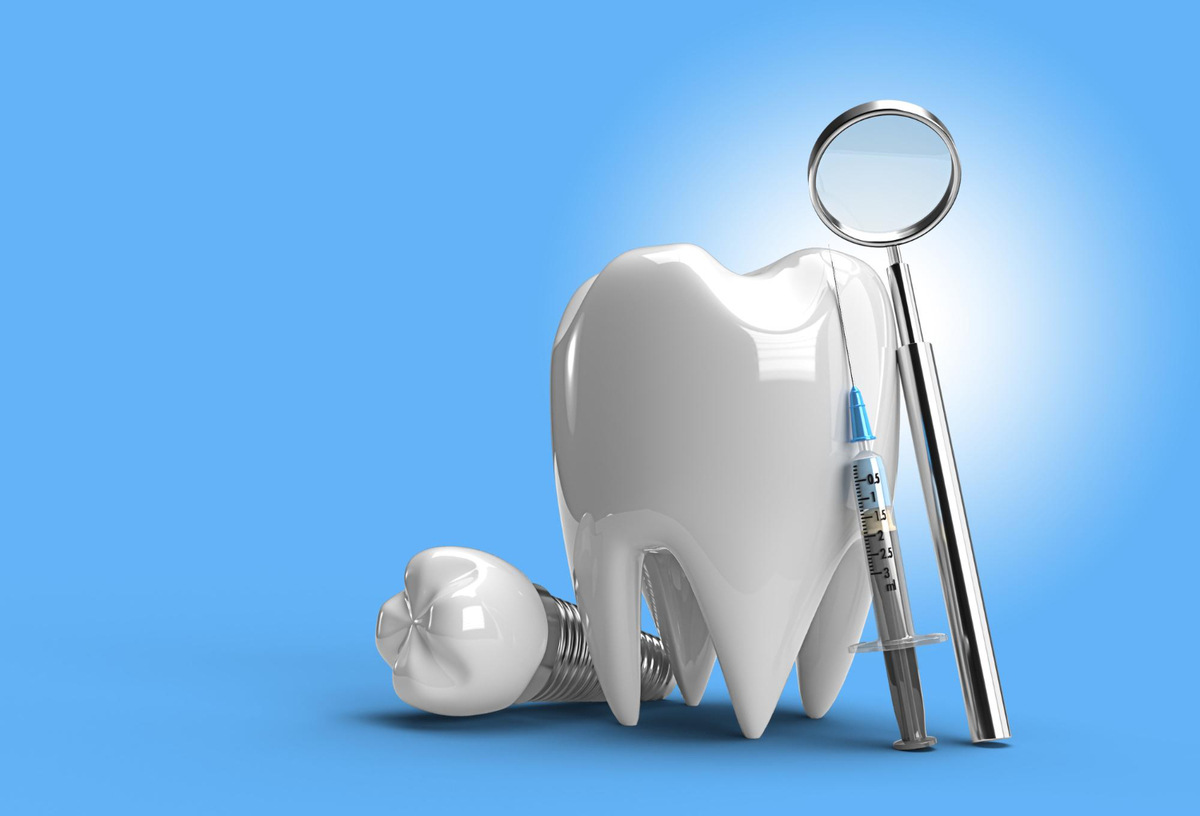
- Dental implants are titanium posts implanted in the jawbone, while dentures are removable prosthetics that sit on the gums.
- Implants last 20+ years and preserve bone; dentures require relining every 2-3 years and replacement every 5-10 years.
- Dentures are cheaper initially, but implants are cheaper over 20 years.
- Dentures are the better choice if bone loss is extensive, surgery is risky, or cost is a major concern.
- Implants are the better choice for patients with good bone who want a permanent, natural-looking solution.
When you lose a tooth or are about to lose several, it’s not just a dental problem. It affects your ability to eat, smile, and sometimes feel self-assured. Some patients delay making a decision for months or years because they don’t know which option is right for them. And that’s understandable. You can get biased information, depending on the source.
That’s why a clear comparison matters. The honest truth is that the dental implants vs dentures debate isn’t a one-winner decision. Both options have come a long way, and both can deliver a strong, functional, beautiful smile when matched to the right patient. Our team at You Make Me Smile Dental Centre has guided patients across Belleville, Trenton, and the wider Quinte West region through this exact decision for more than 25 years, and the answer is almost never a copy-and-paste.
Let’s break it down properly.
Dentures vs Implants: What Is the Difference?
It is always good to know what each option is before comparing them.
Implants are titanium posts surgically inserted into the jaw. Over several months, the bone fuses to the post, a process known as osseointegration, after which a crown, bridge, or full arch is placed on top. The outcome is so close to a natural tooth because, structurally, it acts like one.
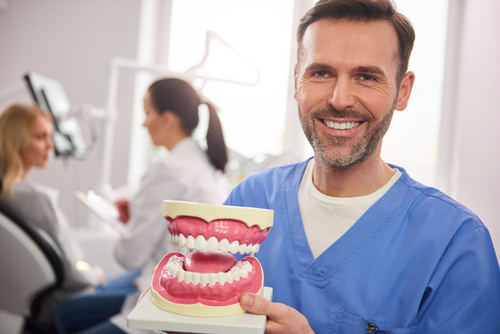
Dentures are removable artificial teeth placed on the gums. They may be used to replace a complete arch or only a few missing teeth (a partial) and are retained by suction, small clips, or adhesive. The dentures that your grandparents used are much more comfortable and realistic than modern ones.
When patients ask, “What is the difference between dental implants and dentures? The practical answer is sixfold:
- Stability: Implants do not move. Even good dentures can move.
- Bone health: Implants stimulate the jaw and prevent bone loss. Dentures are placed on the gums, and over time, they hasten bone shrinkage.
- Bite strength: Implants restore approximately 90 percent of natural chewing strength. Dentures typically provide approximately 20-25 percent.
- Daily care: Implants are brushed and flossed like natural teeth. Dentures should be removed, washed, and soaked.
- Lifespan: Implants can last 20 years or longer. Dentures usually require relining every few years and replacement every five to ten years.
- Cost in the long run: Dentures are cheaper initially; implants are often cheaper when you spread the cost over two decades.
The dentures vs. implants debate seldom yields a clear winner. The right decision is up to you — your bone, your health, your goals. The following two sections demonstrate when each makes sense.
When Do Dentures Make More Sense Than Implants?
Dental implants get the most attention, but they’re not always the best choice. Sometimes a denture is the better, gentler, more sensible option.
Significant Bone Loss Without Grafting Options
Implants need a foundation. When the jawbone has atrophied, and bone grafting is not an option, dentures are the reliable alternative — they restore function without requiring a procedure that the bone cannot support.
Health Conditions That Raise Surgical Risk
If you have uncontrolled diabetes, take certain medications, are a heavy smoker, or have a weakened immune system, you may be at higher risk of implant failure. In such situations, not having surgery is not a trade-off but a wise choice.
Budget Constraints
Implants are an investment. If finances don’t allow it right now and you need a working smile today, modern dentures restore your ability to eat, speak, and feel confident at a much lower upfront cost.
Preference for a Non-Surgical Option
Not everyone wants surgery, and that’s OK. A properly fitted denture gives you a natural smile without the need for surgery.
Transitional or Interim Solutions
Sometimes patients need a temporary fix while waiting for healing, grafting, or a longer treatment plan to be completed. Dentures fill that gap beautifully.
If you’re looking for “the best denture clinic near me,” choose one that offers both dentures and implants. That way, you’ll get a recommendation tailored to your mouth, not the clinic’s inventory.
When Do Dental Implants Make More Sense Than Dentures?
For many patients, implants offer a stronger long-term outcome. Studies have shown a success rate of over 95% for the implant restoration process, which is part of why they’ve become the gold standard for permanent tooth replacement. When people ask whether implants or dentures are better for long-term tooth replacement, the honest answer for healthy candidates is usually implants — and here’s why.
You Have a Healthy Jawbone
Strong bone is the foundation of a successful implant. Patients with healthy bone or who are candidates for grafting are excellent candidates and tend to achieve outstanding lifetime results.
You Want to Protect Your Facial Structure
Prolonged wear of dentures can lead to bone shrinkage, which may result in a sunken appearance around the mouth and jaw. The implants stimulate the bone just as natural roots do, helping maintain your facial shape as you grow older.
You Want to Eat Whatever You Like
Steak, apples, corn — implants restore bite force close to natural levels. Dentures often limit what you can comfortably chew, and that limitation tends to grow over time.
You Don’t Want to Deal With Adhesives or Removal
Implants stay put. No nightly soaking, no creams, no surprise slips during dinner with friends.
You’re Thinking Long-Term
When you spread the cost over 20–40 years and factor in relines, replacements, and adhesives, the dental implant vs dentures comparison often tilts toward implants on total lifetime spend.
Your Existing Dentures Are Loose or Sore
Patients dealing with constant slipping, sore spots, or muffled speech are often ideal implant candidates — including those who’d benefit from implant-supported overdentures, which combine the two approaches.
To compare “the best dental implants near me,” one should seek a practice with in-house imaging, full-arch capabilities, and a surgical team that has performed complex cases.
How Do You Choose the Right Provider?
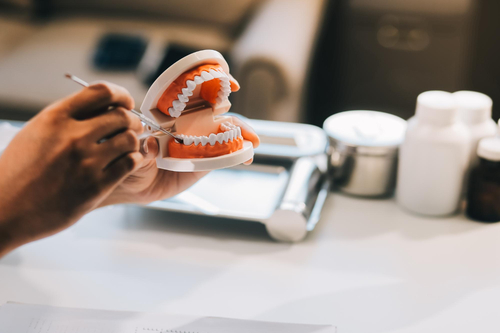
The provider you choose matters just as much as the treatment. Here’s what to look for:
- On-site digital imaging, 3D planning, CT scans, CAD/CAM, and digital impressions eliminate guesswork from surgical planning.
- Full-arch and complex restorations experience — not all clinics are set up to do full-mouth cases; the best implant dentist is the one who does them regularly.
- Dentures and implants in the same practice — a clinic that offers both will recommend the best option, not the easiest.
- Transparent pricing and financing — including insurance support and guidance on the Canadian Dental Care Plan (CDCP) where applicable.
- A long track record and consistent reviews — quiet, steady patient trust beats loud advertising every time.
At You Make Me Smile Dental Centre, we offer all of this from two locations in Belleville and Trenton. Our in-house digital lab, 3D imaging, CT scanning, sedation dentistry, and full-arch capabilities, including Teeth in a Day, enable our team to plan and deliver everything from a single implant to a complete smile restoration. We also offer modern denture solutions for patients for whom that’s the better path. The point isn’t selling implants or dentures. It’s getting you to the right outcome.
Conclusion
The choice between dentures and implants is seldom a one-size-fits-all decision. It is about what is more suitable for you, your bones, your health, your budget, your lifestyle, and how far you are planning. Both can provide a confident, comfortable smile when used thoughtfully with the patient.
If you’re weighing your options, book a consultation at You Make Me Smile Dental Centre. We’ll walk you through both side by side — honestly, no pressure — so you leave knowing which one truly fits your life.
FAQs:
What is the difference between dental implants and dentures?
Implants are titanium posts permanently anchored in the jawbone and capped with a crown or bridge. Dentures are removable and rest on the gums. Implants are more stable, provide greater biting force, and help preserve bone.
Are implants or dentures better for long-term tooth replacement?
Implants are usually better for long-term tooth replacement. They preserve the jawbone, last 20+ years, and rarely need replacement. Dentures cost less upfront but require relines every few years and replacement every 5–10 years.
When do dentures make more sense than implants?
Dentures are a better choice when there’s severe bone loss with no grafting options, when medical conditions increase the risk of surgery, when finances are limited, or when a patient prefers a non-surgical option.
When do dental implants make more sense than dentures?
Implants are a better choice if you have a healthy jawbone, want to eat whatever you like, don’t want to wear dentures, and are looking for a long-term solution (where the cost of implants over a lifetime is usually lower).