The cost of braces in Ontario depends on the bite problem, the appliance selected, the expected treatment time, and what the written quote includes. For 2026 planning, comprehensive traditional braces typically fall within a broad C$4,000 to C$8,000 range, but only an examination and a personalized estimate can determine your actual fee.
KEY TAKEAWAYS
- A broad 2026 planning range for comprehensive traditional braces is approximately C$4,000 to C$8,000, not a fixed Ontario price or provincial tariff.
- Case complexity, bracket type, treatment duration, additional appliances, and the services included in the quote can all affect the total.
- A complete estimate should explain diagnostics, brace placement, adjustment visits, removal, retainers, repairs, and any services billed separately.
- Insurance may cover part of orthodontic treatment, but coverage percentages, age rules and lifetime maximums vary by plan, so predetermination is important. The federal Canadian Dental Care Plan does not yet include orthodontic services.
- Monthly payments can make treatment easier to budget, but the deposit, term, interest, and missed-payment rules should be reviewed before signing.
Average Price Ranges for Traditional Braces
A practical 2026 planning range for comprehensive traditional metal braces in Ontario is about C$4,000 to C$8,000. This is a budgeting range, not an official average or guaranteed quote. Current Canadian consumer guidance commonly places metal braces somewhat lower, often in the C$3,000 to C$7,000 range, with ceramic and self-ligating brackets often running closer to C$4,000 to C$8,000. Oralvie’s 2026 Canadian braces cost guide reports these ranges for the Canadian market and notes that complexity, treatment type and location affect the fee.
Ontario does not require every practice to charge a single amount. The Royal College of Dental Surgeons of Ontario fee guidance explains that the Ontario Dental Association publishes a suggested fee guide, while dentists remain responsible for explaining their actual fees and informing patients when charges exceed that guide. Estimates may use a low-to-high range, especially for complex care.
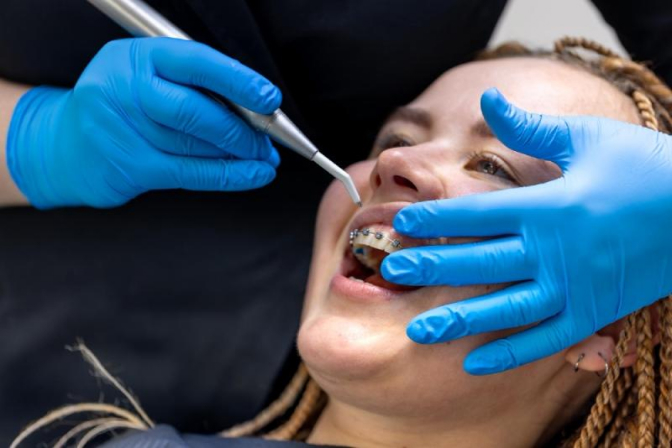
Traditional metal braces are usually the lowest-cost fixed-braces option because the components are widely used and do not carry the same aesthetic material premium as ceramic brackets. Ceramic braces may be quoted higher, but the difference is not universal. A shorter, limited treatment may cost less than comprehensive treatment, while a complex bite correction, a two-phase plan, or a plan involving additional appliances may exceed a typical range.
| Planning category | Typical planning point | Important note |
|---|---|---|
| Comprehensive metal braces | About C$4,000 to C$8,000 | Broad planning range only. The written treatment plan determines the actual fee. |
| Ceramic braces | Often similar to or higher than metal | Aesthetic brackets and case requirements may add cost. Ask for a direct comparison. |
| Limited treatment | May be below the comprehensive range | Only appropriate when the clinical goal is limited, and the bite does not need full correction. |
| Complex or multi-phase treatment | May exceed the comprehensive range | Additional appliances, longer monitoring or staged care can add to the total. |
At You Make Me Smile Dental Centre, the most useful starting point is a written plan that links the fee to the work your teeth and bite actually need. Review the practice’s dental braces service page for an overview, then use a consultation to compare the available fixed-braces and clear-aligner options for your situation.
What Factors Change the Total Cost
The total changes when the treatment becomes more complex, uses different materials, or requires more clinical time. The largest driver is usually the amount and type of movement needed. Straightening mildly crowded front teeth is not the same plan as correcting a deep bite, crossbite, impacted tooth, or significant upper-and-lower jaw relationship.
The appliance also matters. Metal brackets are generally the most economical fixed option. Ceramic brackets can be less visible but may cost more. Additional devices, such as expanders, space maintainers, bite turbos, or other auxiliaries, may be required in some cases. Tooth extractions, fillings, gum treatment, and hygiene care are often provided separately from the orthodontic fee, so the estimate should specify what falls outside the braces plan.
Other cost factors include whether one or both arches are treated, whether the case is completed in one phase or two, how many records and scans are required, whether retainers are included, and how the practice handles broken brackets or replacement retainers. Geography and the provider’s fee structure can also affect price. A lower number is not automatically the better value if essential records, retainers or follow-up are excluded.
Age by itself does not create a standard surcharge. Adults and teenagers can have similar fees when their treatment needs are similar. Age may affect the plan indirectly because adults may have existing crowns, missing teeth, gum concerns, or less growth remaining, while children may need staged treatment. The right comparison is between two complete written plans, not two headline prices.
How Treatment Length Affects Overall Price
Longer treatment can increase the fee because it requires more monitoring, adjustments and clinical resources, but many practices quote a single comprehensive treatment fee rather than charging for each routine visit. A common full-treatment estimate is 18 to 24 months, though some cases finish sooner and complex cases take longer. Published clinical research on orthodontic treatment time reports mean treatment durations in a similar range, generally between 22 and 26 months, depending on whether teeth are extracted as part of the plan.
Treatment length depends on the starting bite, how far the teeth must move, whether jaw growth can be used, how well the teeth respond, and how closely the patient follows instructions. Missed appointments, repeatedly broken brackets, poor elastic wear, or untreated cavities can interrupt progress. Those delays do not always change the original fee, but they can affect the schedule and may create charges if the contract excludes repeated repairs or unusually extended treatment.
Ask how the practice handles an earlier finish, a longer-than-expected case, and a treatment pause. Also ask whether the quoted fee covers the entire active phase or a set number of months. Clear answers make it easier to compare payment plans because a 24-month financing schedule is not necessarily the same as a 24-month clinical estimate.
The goal is not to choose the shortest advertised timeline. Safe orthodontic movement happens in controlled stages. A realistic estimate should explain what needs to move, what could alter the timeline and when your progress will be reviewed.
What Is Typically Included In A Braces Quote
A braces quote should specify the services and appliances covered from diagnosis through retention. Common inclusions include the treatment-planning examination, photographs, scans or impressions, selected X-rays, brackets and wires, placement, routine adjustment visits, removal of the braces, and at least one set of retainers. Practices vary, so none of these should be assumed until they appear in writing.
The estimate should also identify possible extras. These may include treatment by another provider before braces, extractions, hygiene appointments, fillings, gum care, replacement retainers, repair of repeatedly damaged appliances, sedation, missed-appointment fees or treatment that extends well beyond the original plan. The RCDSO states that estimates should include material and laboratory expenses when applicable and should address additional treatment.
Use a simple checklist before accepting a quote: Are all diagnostic records included? Are both arches included? Are routine visits included? Is the final retainer included? What happens if a bracket breaks? Are there separate fees for an expander or other appliances? How long is the estimate valid? Will you receive an updated written estimate if the plan changes?
Discuss insurance before treatment starts. The dental office can prepare a predetermination when appropriate, but the insurer decides on coverage. A predetermination is not a promise that every dollar will be paid, especially if benefits change, another claim is submitted first, or the plan has a lifetime orthodontic maximum. Review the practice’s financing and insurance information and confirm the details directly with your insurer.
If you are also relying on the federal Canadian Dental Care Plan (CDCP), note that orthodontic services are not yet included. The government’s coverage page states that a specific range of orthodontic benefits is planned for a future date that has not yet been announced. Until that changes, most patients should expect private insurance, savings or financing to cover braces rather than the CDCP.
How Financing Can Spread Out the Cost
Financing can turn a single large orthodontic fee into a deposit plus scheduled monthly payments. Some practices handle payments internally, while others use a third-party financing provider. The amount due at the start, the number of payments, and whether interest applies depend on the plan. A lower monthly payment may simply mean a longer term, so compare the total amount paid as well as the monthly amount.
Before signing, ask whether the payment schedule is tied to treatment duration, whether there is an application or administration fee, what happens if treatment ends early, and whether you can pay the balance without penalty. If credit approval is required, confirm the interest rate and the consequences of a missed payment. Keep insurance reimbursement separate from the financing decision unless the written agreement explains how the two interact.
Tax treatment may also matter. The Canada Revenue Agency’s medical expense guidance lists dental services paid to a medical practitioner as potentially eligible medical expenses, while purely cosmetic procedures are excluded. Keep receipts and ask a qualified tax professional whether your orthodontic expenses meet the rules for your return.
A clear budget can include insurance, available savings, a monthly plan, and any eligible tax relief without obscuring the true total. At You Make Me Smile Dental Centre, the next step is a consultation and written plan, not a pressured decision. Request an appointment at our Belleville or Trenton office when you are ready to review the clinical and financial details together.
Frequently Asked Questions
Does the cost of braces depend on age?
Not directly. The fee is usually driven more by the bite problem, the movements required, treatment length, appliance choice, and included services. Age can affect the plan indirectly. An adult may have existing dental work or gum considerations, while a child may need growth-related or two-phase treatment. Similar cases can have similar fees at different ages.
Are metal braces cheaper than ceramic braces?
Metal braces are often the lower-cost fixed option because they use standard metal brackets and are widely available. Ceramic braces may incur an additional fee for aesthetic materials and case management, though the amount varies by practice. Ask for both options on the same written treatment plan so you are comparing the same clinical scope.
Does insurance usually cover part of the cost?
Some dental plans cover part of orthodontic treatment, but coverage is not automatic. Plans may use a percentage, age limit, waiting period or lifetime orthodontic maximum. Request a predetermination and confirm the remaining maximum directly with the insurer. The final patient balance may change if the policy or available benefits change during treatment. The federal Canadian Dental Care Plan does not currently cover orthodontic services, so most patients rely on private insurance, savings or financing for braces.
Can I pay for braces in monthly installments?
Often, yes. Many practices offer an in-house payment plan or access to third-party financing, usually with a deposit followed by monthly payments. Terms vary, so ask about the total financed amount, interest, fees, term, early repayment, and missed-payment rules. Review a written estimate and payment agreement before braces are placed.
Conclusion
The true cost of braces includes the full price of diagnosis, active treatment, follow-up, and retention, not just the brackets. A broad planning range can help you prepare, but your written estimate should clearly show what your case requires and what is included. Every smile tells a story, and a clear plan helps you move forward with fewer financial surprises. Book your free consultation today to discuss braces at our Belleville or Trenton office.