Porcelain veneers vs Lumineers compares two bonded ceramic coverings used to change the colour, shape or symmetry of visible teeth. Traditional porcelain veneers usually involve planned enamel reduction, while Lumineers are intended as a thinner, minimal-preparation option. The better choice depends on your teeth, bite, goals and the amount of change needed.
KEY TAKEAWAYS
- Both options are custom ceramic shells bonded to the front of the teeth after a dental examination and smile-planning process.
- Traditional porcelain veneers usually require some enamel reduction; Lumineers may require less, but “no-prep” is not guaranteed for every tooth or for every patient.
- Either option can look natural when the shape, shade, translucency, fit and gum contours are planned carefully.
- Veneers do not have a guaranteed lifespan. Bite forces, grinding, bonding, oral hygiene and regular dental care all affect how long they last.
- Cost depends on the number of teeth, case complexity, laboratory work, preparation, temporaries, and follow-up, not just the product name.
How Each Option Is Made and Applied
Porcelain veneers are custom-made ceramic shells bonded to the front surfaces of selected teeth, while Lumineers are a branded thin-veneer approach that requires less tooth preparation when the case allows. The American Dental Association’s veneer guide explains that porcelain veneers are made from an impression or digital scan, fabricated to fit the tooth and then checked for fit, shape and shade before bonding.
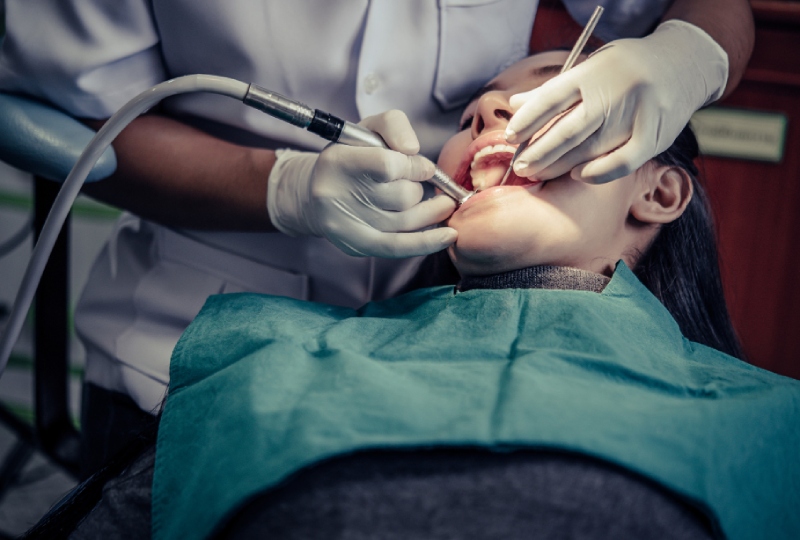
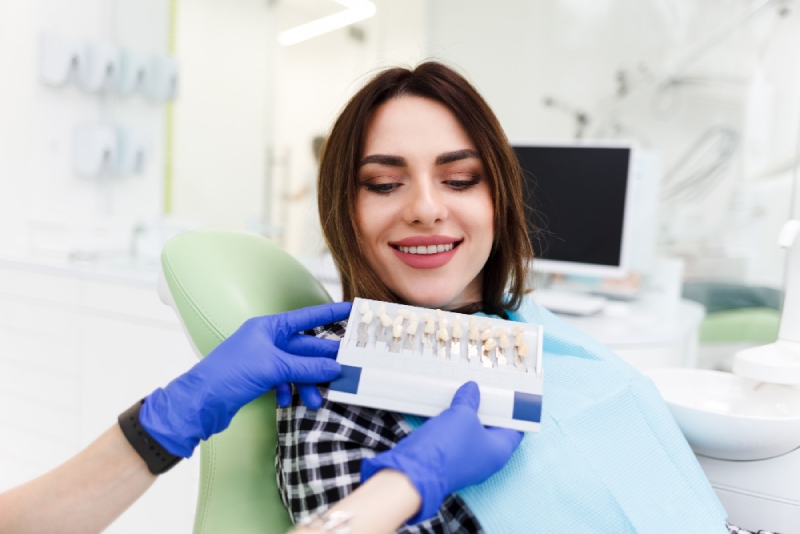
Planning begins with diagnosis. Your dentist examines your teeth and gums, checks for decay or gum disease, reviews your bite, and discusses the change you want. Photos, scans or impressions guide the contours. If veneers are appropriate, the surfaces are prepared as needed, the laboratory fabricates the restorations, and the final shape, shade and fit are reviewed before bonding.
At You Make Me Smile Dental Centre, you can read about our porcelain veneer service and our Lumineers option before a consultation. These pages introduce the treatments, but the final recommendation should come from an examination because the same thin restoration can behave differently on a small, recessed tooth than on a prominent, heavily discoloured or crowded tooth.
Neither option simply “covers up” every cosmetic concern. Active decay, gum inflammation, and other oral health problems should be addressed first. Cleveland Clinic’s medically reviewed veneer overview notes that veneers are cosmetic restorations and are generally considered only after significant cavities or gum disease have been treated.
| Feature | Traditional porcelain veneers | Lumineers |
|---|---|---|
| Basic approach | Custom porcelain shells planned with space for the desired shape, colour and fit. | Thin ceramic veneers intended to preserve more tooth structure when anatomy and goals permit. |
| Preparation | Usually includes removal of a small amount of enamel from the front and sides. | Often, less preparation is needed, but small adjustments may still be needed for contour, margins, or bite. |
| Aesthetic range | Can provide more room to mask deeper colour, reshape prominent teeth or make larger contour changes. | Often suits subtle additions or shape changes where there is enough space and the underlying colour is acceptable. |
| Treatment planning | Examination, records, shade selection, laboratory fabrication, try-in and bonding. | The same core planning steps are still required; minimal preparation does not remove the need for diagnosis or careful bonding. |
| Long-term care | Daily cleaning, routine exams, and protection against grinding or hard-biting habits. | The same maintenance principles apply. |
| Cost drivers | Number of teeth, preparation, temporaries, laboratory design, complexity and follow-up. | Number of teeth, laboratory design, complexity and follow-up; less preparation does not automatically mean a lower fee. |
Differences in Tooth Preparation
Traditional porcelain veneers usually require a small amount of enamel removal to create space and keep the restoration within the tooth’s natural contour. The ADA describes preparation of the front and sides before scanning or taking an impression. The exact amount depends on the tooth’s position, colour, and the planned shape.
Lumineers are generally considered a minimal-preparation option, but that does not mean every tooth can be treated without preparation. Cleveland Clinic cautions that “no-prep” veneers may still require some enamel removal and are not right for everyone. A dentist may need to smooth a surface, create a clean margin, correct an uneven edge, or make room so the veneer does not push the lip or gum line outward.
Preparation also affects what the restoration can hide. Greater space gives the dentist and laboratory greater control over opacity, shape and alignment when teeth are deeply discoloured, prominent, worn or irregular. A thinner approach may preserve more enamel and work beautifully for smaller or slightly recessed teeth, mild gaps or subtle shape changes. On teeth that already project forward, adding material without sufficient space can create an over-contoured result.
Ask the dentist to explain the preparation planned for each tooth. How much enamel will be removed? Will any tooth need a different approach or a temporary veneer? What happens if a veneer needs to be replaced later? Because enamel removal can make treatment irreversible, consent should be based on the specific plan, not on the assumption that one brand is always reversible.
How Long Each Option Typically Lasts
Neither porcelain veneers nor Lumineers have a universal lifespan. Cleveland Clinic reports a general average of about 10 to 15 years for dental veneers with proper care, while the ADA emphasizes that veneers can chip, crack, wear, loosen, or require replacement over time. Some restorations last longer, while others need attention sooner.
Longevity depends on case selection, available enamel, ceramic design, bite, clenching or grinding, chewing habits, and hygiene and maintenance. A veneer bonded primarily to enamel may behave differently from one on a heavily restored tooth. A night guard may be recommended if grinding increases the risk of chipping or debonding.
Daily care is straightforward: brush with a non-abrasive fluoride toothpaste, clean between the teeth, avoid biting fingernails or opening packages with veneers, and attend routine examinations. The ADA also advises caution with hard objects and notes that cavities can still develop around or beneath a veneer. For a deeper look at maintenance and replacement, review our guide to how long veneers last.
Cost Considerations Between the Two
The cost difference cannot be predicted from “porcelain veneer” or “Lumineers” alone. Fees vary with the number of teeth, the complexity of the design, the amount of preparation, whether temporaries are needed, laboratory charges, imaging, bite protection, and any treatment required before cosmetic work can begin.
Minimal preparation does not automatically mean a lower fee. Thin veneers still require records, laboratory design, shade matching, try-in and bonding. Traditional veneers may incur preparation or temporary restoration costs, but can offer more control for complex colour or shape changes. Compare written plans for your own teeth, not generic price claims.
Ontario patients should receive clear cost information before treatment. The RCDSO fees and charges guidance states that informed-consent discussions should include treatment costs and that estimates should identify laboratory fees and any additional treatment where applicable. Ask whether the estimate covers diagnostics, preparation, temporaries, final veneers, adjustments, a night guard and follow-up.
Veneers are usually considered cosmetic, so coverage may be limited unless an insurer determines that a specific part of the treatment is medically necessary. Request a predetermination when appropriate and confirm your plan’s rules directly. You Make Me Smile Dental Centre provides financing and insurance information to help patients review payment options before committing to treatment.
How to Decide Which Fits Your Smile Goals
The best choice is the most conservative plan that can predictably achieve your goals while preserving healthy tooth structure. A cosmetic consultation should connect the clinical findings to the change you actually want, whether that is masking colour, closing a small gap, improving symmetry, rebuilding worn edges, or changing the size and shape of several teeth.
A minimal-preparation approach may suit small or slightly recessed teeth when the underlying colour is manageable, and the desired change can be achieved without adding bulk. Traditional porcelain veneers may offer more design flexibility for stronger colour masking, larger shape changes, or prominent contours. These are planning tendencies, not rules.
Your dentist should also consider gum health, enamel quality, existing fillings, tooth position, bite forces, grinding, sensitivity, facial proportions, and the number of teeth visible when you smile. Sometimes, whitening, bonding, orthodontics, contouring, or a combination of these can achieve the goal with less tooth preparation. Explore the practice’s broader cosmetic dentistry options so the discussion is not limited to two labels.
Before agreeing, review the proposed shape, shade and preparation, and what happens if a veneer chips, debonds or needs replacement. A clear plan should include visits, fees, maintenance and alternatives. You should feel informed, not rushed. Precision with heart means using the right amount of dentistry, with each step explained clearly.
Frequently Asked Questions
Do Lumineers require less tooth preparation than veneers?
Usually, but not always. Lumineers are intended as a minimal-preparation veneer option, while traditional porcelain veneers commonly require a small amount of enamel removal. Your dentist may still need to adjust a tooth for fit, contour, margins, or bite. Ask for the tooth-by-tooth preparation plan, and do not assume that “minimal prep” means it is completely reversible.
Which option looks more natural?
Either can look natural when the case is selected and designed well. The result depends on shape, shade, translucency, surface texture, gum contours, and how the veneer fits your face and neighbouring teeth. Traditional veneers may offer more masking and reshaping control; a thin minimal-prep option may look especially subtle when the underlying tooth colour and position are favourable.
Can I switch from Lumineers to veneers later if needed?
A dentist can often evaluate replacing with another ceramic veneer, but switching is not a simple or guaranteed reversible swap. The existing veneers must be removed carefully, and the plan depends on the remaining enamel, bonding surface, decay, fractures, gum level, and bite. Additional preparation may be needed. Have the underlying teeth assessed before choosing a replacement design.
Which one lasts longer with proper care?
There is no guaranteed winner based solely on the name. Traditional porcelain veneers have a broad clinical track record, and general guidance often cites a lifespan of about 10 to 15 years with proper care. Lumineers can also last many years, but longevity depends on case selection, bonding, bite forces, habits, hygiene and maintenance. Ask about the material and design planned for your case.
Conclusion
Porcelain veneers and Lumineers can both create a balanced, natural-looking smile, but they achieve that result with different preparation requirements and design limitations. The right choice comes from examining your teeth, understanding the amount of change you want and choosing the most conservative, predictable plan. Every smile tells a story, and yours deserves a clear plan before treatment begins. Book a cosmetic consultation at our Belleville or Trenton office to compare your options with the team.